Shipping and storage of petroleum products
Admanthos Shipping Inc works where petroleum products change hands: on the water, at the jetty and in the tank.
admanthos.com
Stamford, Connecticut 06902-7235
Shipping
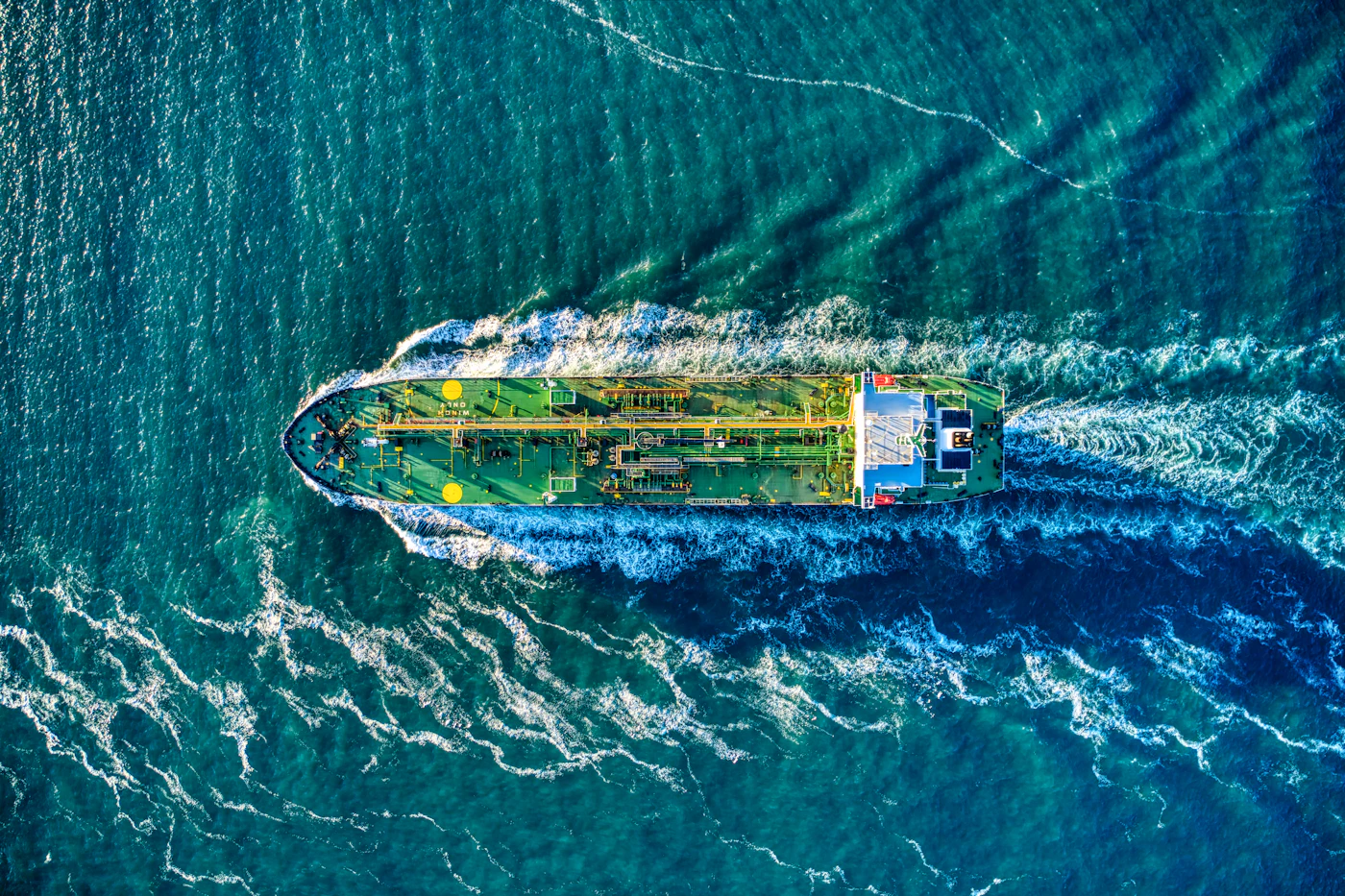
A cargo has to be matched to a vessel whose coatings, tank history and pump capacity suit it, then to ports that can take that vessel at the draft it will arrive on. After that come the charterparty terms, the inspectors, the laytime clock and the documents the bank is waiting for.

Storage
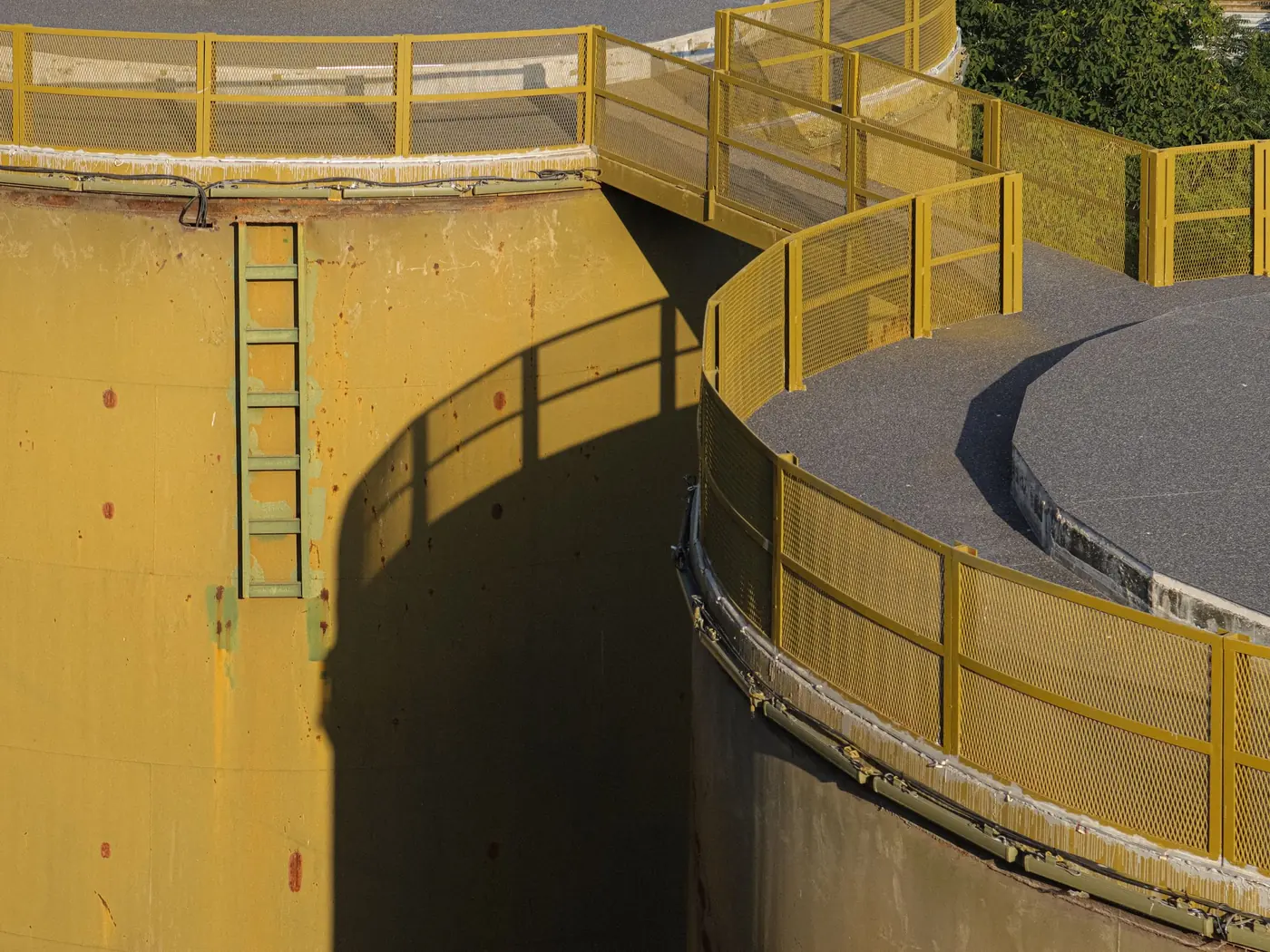
Volatility decides the roof, viscosity decides the heating, and the previous product decides how much cleaning a tank needs. Contract capacity also differs from the number on the tank's nameplate, and that difference is worth understanding before you sign.
Where a cargo can go wrong
Many cargo claims trace back to a few familiar failures, and each has a known control. A good operator can show you how each one is handled.
| Stage | What can go wrong | What guards against it |
|---|---|---|
| Vessel nomination | A vessel with unsuitable coatings or an incompatible last cargo is fixed for the voyage. | Checking the last three cargoes, coating suitability and vetting status before fixing. |
| Loading | Contaminated shore lines or tanks put the first parcel off specification. | Tank inspection before loading, line flushes and first-foot samples tested before bulk loading. |
| Voyage | Water ingress, cargo heating errors or a late arrival outside the delivery window. | Sealed tanks, heating instructions, voyage monitoring and regular ETA notices. |
| Discharge | Ship and shore figures disagree, or the wrong tank receives product. | Independent gauging, a verified line-up, a slow start and an agreed transfer plan. |
| Storage | Commingling, water at the tank bottom, or an overfill. | Dedicated lines, routine water checks, independent high-level alarms. |
| Dispatch | Off-specification product reaches a customer, or stock records drift. | Release testing, meter proving and regular reconciliation against tank gauges. |
Read further
- TerminalAn annotated drawing of a marine products terminal, a discharge followed from notice of arrival to final documents, and a quantity converter.
- StorageTank types in section, how product properties decide the tank, and a calculator for working capacity.
- LogisticsVessel classes to scale, charter types, the Jones Act, the document set and a working glossary.
- HSEThe hazards of petroleum products, and four major incidents that changed how the industry operates.
- InnovationsWhich technologies are proven, which are still arriving and what new carbon rules mean for shipping.
- AboutWho we are, why shipping and storage belong together, and what to ask any operator.
Have a cargo to move or store?
Send us the product, the quantity, the ports and the dates. If you are still working these out, call the Stamford office on +1 254 343 6366 or +1 541 239 4267, or email shipping@admanthos.com.